

Top Tank Maintenance Tips for Reliable Storage
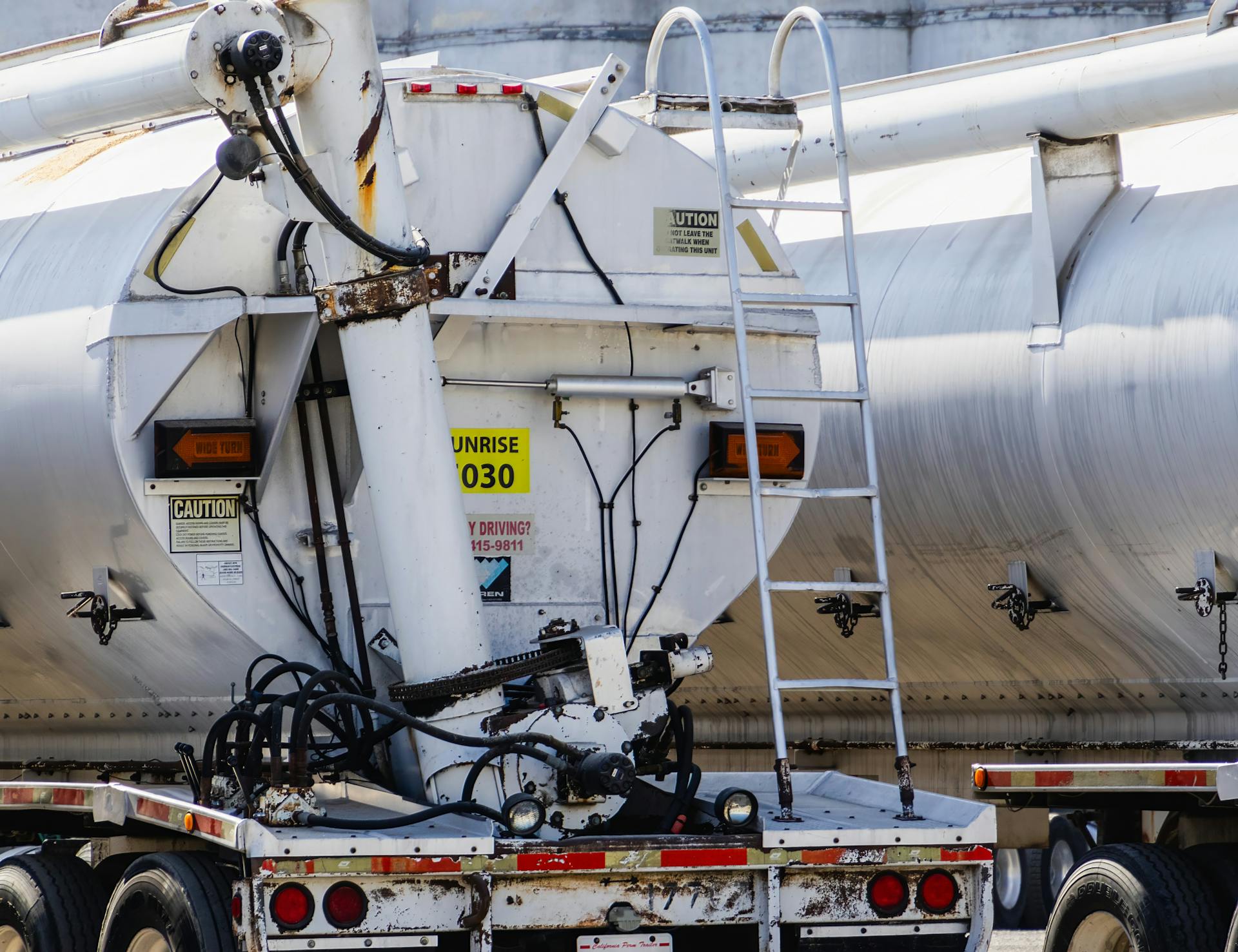
Your Fuel Tank: More Than Just a Box ⛽
Your fuel storage tank is the guardian of your most critical resource. Whether for a vehicle fleet, farm equipment, or a backup generator, the condition of your tank directly impacts fuel quality, operational safety, and your bottom line. Neglecting tank maintenance can lead to contaminated fuel, environmental hazards, and expensive equipment damage.
Protect your investment and ensure your fuel is always in prime condition with these essential tank maintenance tips.
1. Conduct Regular Visual Inspections
Make it a habit to walk around your tank at least once a month. Look for:
- Signs of Leaks: Check seams, pipes, and fittings for drips or wet spots.
- Corrosion: Look for rust, especially at the base and on top of the tank.
- Physical Damage: Dents or cracks can compromise the tank’s integrity.
- Secure Fittings: Ensure all vents, caps, and gauges are secure and functioning correctly to prevent water and debris from entering.
2. Keep Water Out At All Costs 💧
Water is the #1 enemy of stored fuel. It promotes microbial growth (“diesel bug”) and causes corrosion.
- Check for Water: Use a water-finding paste on a long dipstick to check the bottom of your tank for accumulated water.
- Drain Regularly: If your tank has a water drain or sump, use it regularly to remove any water that has settled.
- Ensure Proper Sealing: A loose fill cap or faulty vent is an open invitation for rainwater.
3. Test Your Fuel Periodically
What you can’t see can hurt you. Taking a fuel sample from the bottom of your tank can reveal hidden problems like sludge, sediment, or discoloration. A clear, bright sample is a good sign. If it’s dark, cloudy, or has visible debris, it’s time for action.
4. Schedule Professional Tank Cleaning
Over time, a layer of sludge and sediment will inevitably build up. This sludge is a concentrated mix of rust, degraded fuel, and microbial biomass. Every 3-5 years (or sooner if fuel tests show contamination), you should have your tank professionally cleaned. This process removes all contaminants, ensuring your fresh fuel deliveries aren’t immediately spoiled.
5. Use High-Quality Additives
For fuel that will be stored for longer periods, consider using a fuel stabilizer and biocide.
- Stabilizers slow down the natural degradation process of the fuel.
- Biocides kill the bacteria and fungi that create sludge.
A well-maintained tank is the first step to reliable and efficient operations. If you have concerns about your fuel storage or need professional tank cleaning and testing, our experts are here to help.